
In today’s competitive digital world, businesses are constantly searching for ways to understand their customers better. Traditional marketing strategies are no longer enough, because customers don’t always make decisions based on logic—they make them based on emotions, habits, and subconscious triggers. This is where neuromarketing comes in.
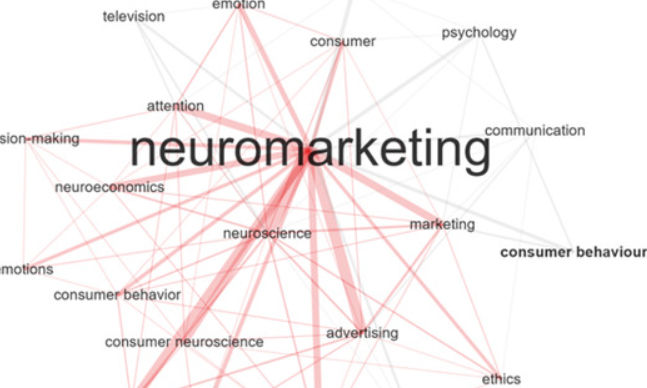
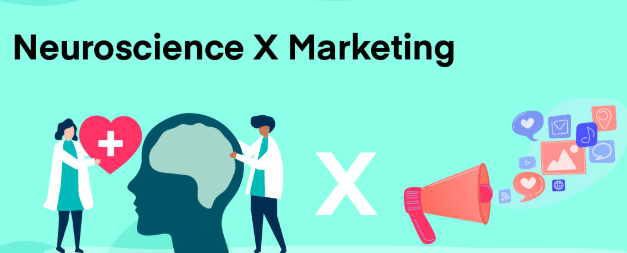
Neuromarketing is a scientific approach that studies how the brain responds to marketing messages, designs, ads, colors, and product experiences. It helps brands understand why customers make certain choices and what influences their buying decisions. In this blog, we’ll explore how neuromarketing influences buyer decisions, why it works, and how businesses can use it ethically to improve their marketing.

What is Neuromarketing?
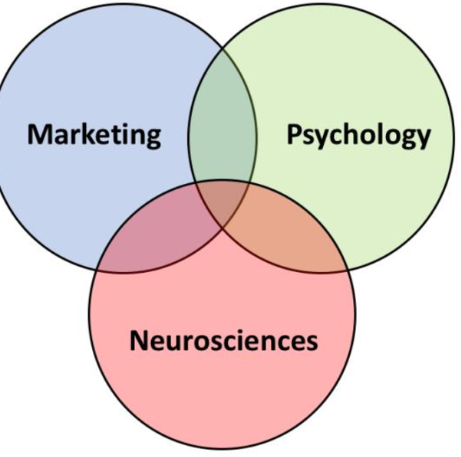
- Neuromarketing combines neuroscience, psychology, and marketing to understand consumer behavior. It looks at how the brain reacts to:
- Advertisements
- Product packaging
- Colors and visuals
- Website layout
- Emotional triggers
- Brand messaging
- Instead of guessing what customers want, neuromarketing provides scientific insights based on real brain reactions. This helps brands design more effective marketing strategies that resonate with their audience at a deeper level.
Why Neuromarketing Matters in 2025
Consumers today are overloaded with information. They see thousands of ads every day across social media, websites, YouTube, and even offline. Because of this overload, people make quick decisions using their subconscious mind.
Studies show that 90–95% of buying decisions happen subconsciously, based on emotions rather than logic.
Neuromarketing helps marketers:
Capture attention faster
Trigger emotions that drive action
Improve brand recall
Increase conversions
Build trust with customers
In simple terms, neuromarketing helps you market the way the brain naturally works.
Emotional Triggers: The Heart of Neuromarketing
One of the strongest tools in neuromarketing is emotional marketing. The brain remembers emotions much more than information.
Some emotional triggers that influence buying decisions include:
✔ Happiness
When brands make customers feel happy, they build positive associations.
Example: ads showing smiling families, celebrations, or joy.
✔ Fear
Fear of missing out (FOMO) or losing an opportunity pushes people to act.
Example: “Limited time offer,” “Only 2 seats left.”
✔ Trust
People buy from brands they trust.
Example: testimonials, social proof, and guarantees.
✔ Belonging
Humans love feeling part of a group.
Example: community-based brands like Harley-Davidson or Apple.
Emotional triggers influence decisions faster than rational thinking.
The Power of Colors in Buyer Psychology
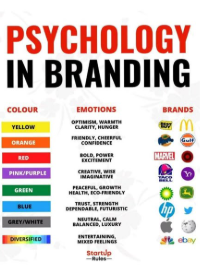
Colors play a huge role in neuromarketing. Each color sends a different signal to the brain and creates specific emotions.
Here’s how colors influence buyers:
Red – urgency, excitement, passion (used in sales, discounts)
Blue – trust, safety, professionalism (used by banks, tech companies)
Yellow – happiness, positivity
Green – nature, freshness, peace (used in organic brands)
Black – luxury, power, elegance (used in premium products)
Purple – creativity, royalty
When businesses use the right colors in logos, ads, and websites, they create subconscious emotional connections with their audience.
Social Proof: The Brain Trusts What Others Trust
One of the strongest neuromarketing principles is social proof. The human brain naturally follows others because it feels safer.
Forms of social proof include:
Reviews
Testimonials
Influencer endorsements
Case studies
Star ratings
User-generated content
When customers see that others are buying and liking something, they feel more confident making the same decision.
This is why platforms like Amazon highlight “Best Seller” or “Top Rated” badges—they influence the brain by showing popularity.
Conclusion
Neuromarketing is transforming the way businesses understand and influence consumer behavior. By tapping into how the brain works, brands can create more effective campaigns, build stronger emotional connections, and guide customers toward better buying decisions.
Today’s consumers want meaningful experiences, not just advertisements. Neuromarketing helps businesses deliver that by focusing on emotions, trust, color psychology, storytelling, social proof, and simplicity.
When used ethically and strategically, neuromarketing becomes a powerful tool that helps brands stand out and connect with their audience at a deeper level.