

In today’s competitive digital world, businesses are constantly searching for ways to understand their customers better. Traditional marketing strategies are no longer enough, because customers don’t always make decisions based on logic—they make them based on emotions, habits, and subconscious triggers. This is where neuromarketing comes in. Neuromarketing is a scientific approach that studies how the brain responds to marketing messages, designs, ads, colors, and product experiences. It helps brands understand why customers make certain choices and what influences their buying decisions. In this blog, we’ll explore how neuromarketing influences buyer decisions, why it works, and how businesses can use it ethically to improve their marketing. What is Neuromarketing? Neuromarketing combines neuroscience, psychology, and marketing to understand consumer behavior. It looks at how the brain reacts to: Advertisements Product packaging Colors and visuals Website layout Emotional triggers Brand messaging Instead of guessing what customers want, neuromarketing provides scientific insights based on real brain reactions. This helps brands design more effective marketing strategies that resonate with their audience at a deeper level. Why Neuromarketing Matters in 2025 Consumers today are overloaded with information. They see thousands of ads every day across social media, websites, YouTube, and even offline. Because of this overload, people make quick decisions using their subconscious mind. Studies show that 90–95% of buying decisions happen subconsciously, based on emotions rather than logic. Neuromarketing helps marketers: Capture attention faster Trigger emotions that drive action Improve brand recall Increase conversions Build trust with customers In simple terms, neuromarketing helps you market the way the brain naturally works. Emotional Triggers: The Heart of Neuromarketing One of the strongest tools in neuromarketing is emotional marketing. The brain remembers emotions much more than information. Some emotional triggers that influence buying decisions include: ✔ Happiness When brands make customers feel happy, they build positive associations.Example: ads showing smiling families, celebrations, or joy. ✔ Fear Fear of missing out (FOMO) or losing an opportunity pushes people to act.Example: “Limited time offer,” “Only 2 seats left.” ✔ Trust People buy from brands they trust.Example: testimonials, social proof, and guarantees. ✔ Belonging Humans love feeling part of a group.Example: community-based brands like Harley-Davidson or Apple. Emotional triggers influence decisions faster than rational thinking. The Power of Colors in Buyer Psychology Colors play a huge role in neuromarketing. Each color sends a different signal to the brain and creates specific emotions. Here’s how colors influence buyers: Red – urgency, excitement, passion (used in sales, discounts) Blue – trust, safety, professionalism (used by banks, tech companies) Yellow – happiness, positivity Green – nature, freshness, peace (used in organic brands) Black – luxury, power, elegance (used in premium products) Purple – creativity, royalty When businesses use the right colors in logos, ads, and websites, they create subconscious emotional connections with their audience. Social Proof: The Brain Trusts What Others Trust One of the strongest neuromarketing principles is social proof. The human brain naturally follows others because it feels safer. Forms of social proof include: Reviews Testimonials Influencer endorsements Case studies Star ratings User-generated content When customers see that others are buying and liking something, they feel more confident making the same decision. This is why platforms like Amazon highlight “Best Seller” or “Top Rated” badges—they influence the brain by showing popularity. Conclusion Neuromarketing is transforming the way businesses understand and influence consumer behavior. By tapping into how the brain works, brands can create more effective campaigns, build stronger emotional connections, and guide customers toward better buying decisions. Today’s consumers want meaningful experiences, not just advertisements. Neuromarketing helps businesses deliver that by focusing on emotions, trust, color psychology, storytelling, social proof, and simplicity. When used ethically and strategically, neuromarketing becomes a powerful tool that helps brands stand out and connect with their audience at a deeper level.
Top Digital Marketing Mistakes Small Businesses Make
Digital marketing has become essential for every small business in 2025. Whether you run a local shop, an online store, or a service-based business, your customers expect to find you online. But while digital marketing offers huge opportunities, many small businesses still struggle to get results because they repeat the same mistakes again and again. These mistakes don’t just waste time—they waste money, reduce sales, and stop your business from growing. In this blog, we’ll look at the top digital marketing mistakes small businesses make and how you can avoid them to build a stronger online presence. . Not Having a Clear Marketing Strategy The biggest mistake small businesses make is jumping into digital marketing without a proper plan. Many start posting on social media or running ads without knowing: Who their target audience is What their marketing goals are What their brand message should be Which platforms are best for them Without a clear strategy, your marketing becomes inconsistent and ineffective. How to fix it:Create a simple digital marketing plan that includes your goals, target audience, content plan, and budget. Ignoring SEO and Relying Only on Social Media Many small businesses focus only on Instagram, Facebook, or WhatsApp because they’re easy to use. But ignoring SEO is a huge mistake. SEO helps you appear on Google when people search for: “Best bakery near me” “Affordable salon in Calicut” “Top marketing agency for small businesses” If your business is not visible on search engines, you’re losing customers every day. How to fix it:Optimize your website, use keywords, write blogs, and set up Google Business Profile to get organic traffic. Poor Website Design and User Experience Your website is the face of your business. But many small businesses use slow, outdated, or poorly designed websites. If your website loads slowly or looks unprofessional, customers leave immediately. Common website issues: Slow loading speed No clear call-to-action Not mobile-friendly Too much text Broken links How to fix it:Make your website fast, clean, mobile-friendly, and easy to navigate. Add clear buttons like “Buy Now,” “Call Now,” “Book Appointment,” or “Get Quote.” Not Tracking Results or Analytics Posting content without tracking performance is like driving with your eyes closed. Small businesses often ignore analytics because they find it complicated, but analytics show what’s working and what’s not. Without data, you waste money on ads, time on the wrong content, and effort on unnecessary strategies. How to fix it:Use easy tools like: Google Analytics Meta Insights Instagram Analytics Google Search Console These tools show your reach, engagement, website traffic, and top-performing content. Inconsistent Branding Some small businesses use different logos, colors, and styles across platforms. This confuses customers and makes the brand look less professional. Brand consistency builds trust and recognition. How to fix it:Keep your brand consistent in: Logo Colors Fonts Tone of voice Social media posts Conclusion Digital marketing is a powerful tool for small businesses, but only if done correctly. Most failures happen because of simple, avoidable mistakes. By having a clear strategy, focusing on the right platforms, optimizing your website, using SEO, creating valuable content, and tracking results, you can grow faster and attract more customers. Avoiding these mistakes will help you build a stronger brand, improve your marketing performance, and stay ahead of your competitors.
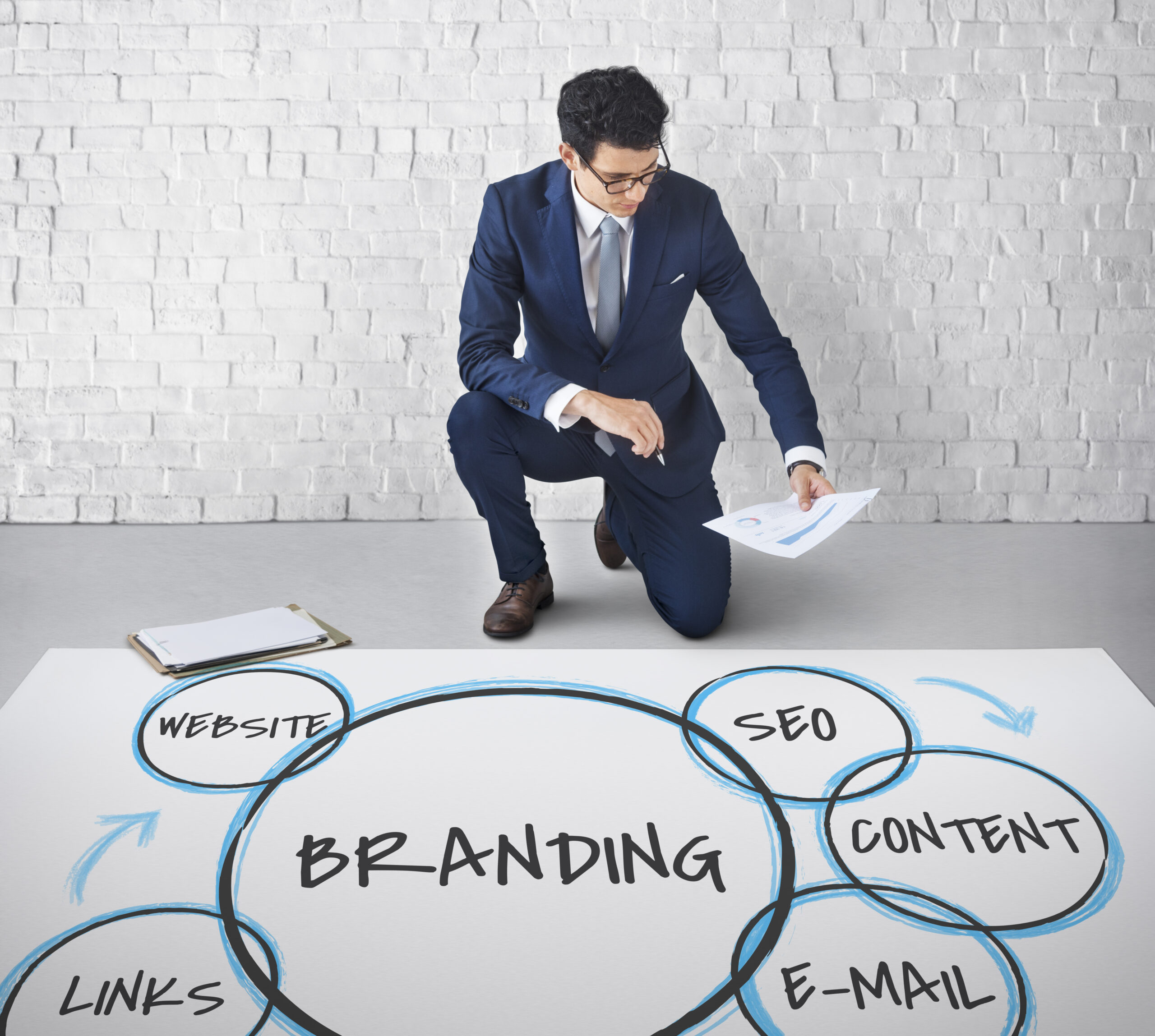
Personal Branding Tips for Digital Marketers in 2025
In 2025, the digital marketing world is more competitive than ever. With thousands of marketers offering similar services, clients are no longer choosing based only on skills—they choose based on trust, authority, and personality. This is why personal branding has become one of the most powerful tools for digital marketers who want to stand out and grow. Define Your Niche and Unique Value Proposition (UVP) The first step in building a powerful personal brand is knowing who you are and what makes you different. In 2025, clients prefer specialists over generalists. Instead of trying to be good at everything, focus on what you do best. Ask yourself: What specific area of digital marketing am I strongest in? Who is my ideal audience or client? What results do I consistently deliver? What makes my approach different? Instead of saying:“I’m a digital marketer”you can say:“I help small businesses grow using conversion-focused Meta ads.” A clear UVP will make your personal brand stronger, clearer, and more memorable. Build a Professional Personal Website Your website is the home of your personal brand. It shows clients who you are, what you do, and why you’re the right choice. Your personal website should include: Clean and modern design A clear bio section Portfolio of your best work Testimonials from clients Case studies with before-and-after results Services you offer Contact form or booking link Make your website SEO-friendly by adding relevant keywords such as “digital marketing expert,” “SEO consultant,” “Meta ads specialist,” or your niche-based keywords. A well-structured website is like an online CV that works for you 24/7. Stay Active and Consistent on Social Media In 2025, social media is still the fastest way to grow your personal brand. Platforms like Instagram, LinkedIn, YouTube, and TikTok allow you to reach thousands of people with valuable content. Types of content digital marketers should post: Short tips and hacks Carousel posts explaining strategies Behind-the-scenes of your client work Case study breakdowns Trending topics and updates Tool recommendations Storytelling posts about your journey The more consistent you are, the faster you grow. Posting 3–5 times a week is enough to build strong visibility. Use AI to Enhance Your Personal Brand AI is not a trend—it’s a necessity in 2025. Instead of fearing AI, use it to multiply your productivity. AI tools can help you: Create content ideas Write blogs, captions, and scripts Design visuals and carousels Analyze audience behavior Automate social media posting Improve website SEO AI doesn’t replace your personal voice; it helps you show it better and faster. The combination of AI efficiency + your creativity = a powerful personal brand. Tell Your Story Authentically People connect with humans, not brands. Sharing your personal journey makes your brand relatable. Tell your audience: How you started Early struggles Breakthrough moments Lessons learned Your mission and purpose Your vision for 2025 and beyond Authenticity builds emotional connection—and emotional connection builds trust. Conclusion Personal branding in 2025 is more important than ever for digital marketers who want to stand out in a crowded market. It’s no longer enough to have skills—you need visibility, trust, and a strong identity. By defining your niche, using social media effectively, creating valuable content, showing real results, and staying updated with industry trends, you can build a powerful personal brand that attracts clients and opportunities. Consistency, authenticity, and value are the three pillars of a successful personal brand in 2025. Start building today, and your brand will become your biggest asset in the digital marketing world.